Introduction
In our progressively uncertain world, having the ability to respond efficiently in emergency situations can imply the difference in between life and fatality. Combining CPR and First Aid: A Total Life-Saving Skill Set outfits individuals with vital skills to take care of numerous medical situations. From small injuries to vital cardiac events, recognizing exactly how to carry out CPR (Cardiopulmonary Resuscitation) together with standard first aid can possibly save lives.
This post will certainly check out the essential elements of CPR and first aid, breaking down their significance, treatments, training options, and the advantages of obtaining these skills. We'll additionally look into psychological health first aid, an essential facet usually ignored however just as crucial in emergencies. By the end of this comprehensive guide, you'll appreciate the need of understanding these life-saving techniques.
Understanding CPR: An Important Life-Saving Technique
What is CPR?
CPR stands for Cardiopulmonary Resuscitation. It is a vital emergency situation procedure done when somebody's heart has stopped defeating or they are not breathing. The main objective is to maintain blood streaming to the mind and various other vital body organs up until expert medical help arrives.
Why is CPR Important?
- Prevents Mental retardation: The mind can only make it through without oxygen for a few minutes prior to permanent damage occurs. Increases Survival Fees: Quick action in carrying out CPR significantly boosts survival possibilities. Researches reveal that prompt onlooker intervention can double or triple a victim's possibility of survival. Empowers Bystanders: Knowledge of CPR gears up ordinary people with the confidence to act during emergencies.
How Does CPR Work?
CPR combines upper body compressions with rescue breaths (in particular scenarios) to maintain circulation and oxygenation. Below's a break down:
Assess the Circumstance: Make certain the scene is secure prior to approaching. Check Responsiveness: Tap the individual and shout loudly. If unresponsive, call emergency services immediately. Open Air passage: Thoroughly tilt the head back while raising the chin. Check Breathing: Seek normal breathing for up to 10 seconds. Start Chest Compressions: Press hard and fast in the facility of the upper body at a rate of 100-120 compressions per minute.The DRSABCD Approach
The DRSABCD approach works as an acronym that assists recall critical actions throughout an emergency:
- D - Risk: Check for hazards. R - Action: Examine if the person is responsive. S - Send for assistance: Call emergency services or have someone else do it. A - Air passage: Guarantee it's clear. B - Breathing: Examine if they're breathing normally. C - Compression: Beginning breast compressions if they are not taking a breath normally. D - Defibrillation: Use an AED (Automated External Defibrillator) if available.
First Help Fundamentals
What is First Aid?
First aid incorporates preliminary help given to a person struggling with an injury or disease till expert medical aid arrives. It aims to preserve life, avoid deterioration, and promote recovery.
Key Principles of First Aid
Preserve Life: The main aim is constantly to save lives first. Prevent More Injury: Stabilizing problems avoids problems from worsening. Promote Recuperation: Offering convenience and treatment aids in healing processes.Common First Aid Procedures
Wound Care: Clean cuts with soap and water; use antibacterial ointment and cover with sterile dressings. Burn Treatment: Amazing burns under running water for at least 20 mins; cover with non-stick dressing without applying ice straight on burns. Choking Alleviation: For adults, do stomach thrusts (Heimlich maneuver). For infants, make use of back impacts adhered to by breast thrusts.Combining CPR with First Aid Techniques
Why Combine These Skills?
When emergencies take place, they often entail multiple elements calling for both first aid and CPR skills all at once:
- Heart strikes might need immediate CPR while handling other symptoms like breast pain or lack of breath. An individual who faints may require both respiratory tract monitoring and monitoring their vital signs up until paramedics arrive.
How Do They Enhance Each Other?
Combining these abilities ensures an extra thorough approach during emergency situations:
While executing CPR, you may also need to monitor various other injuries that may have taken place because of drops or accidents leading to unconsciousness. Performing first aid properly can support an injured person's condition before resuming life-saving measures like CPR if necessary.Finding Top quality Training Programs
Choosing Your First Aid Course
With many choices available ranging from regional area universities to online systems, choosing quality training becomes critical:
Look for recognized courses such as those supplied by companies like St John Ambulance or Red Cross Australia which provide certifications identified nationally.
Consider specific programs customized for your requirements:
- Basic First Aid Advanced First Aid Mental Health First Aid Course Infant/ Youngster First Aid Course
What Ought to You Anticipate from an Excellent Course?
Here's what makes a first aid program worthwhile:

Comprehensive Curriculum: Covering important subjects such as wounds monitoring, fractures therapy, burns care, choking relief methods, and so on, along with DRSABCD principles.
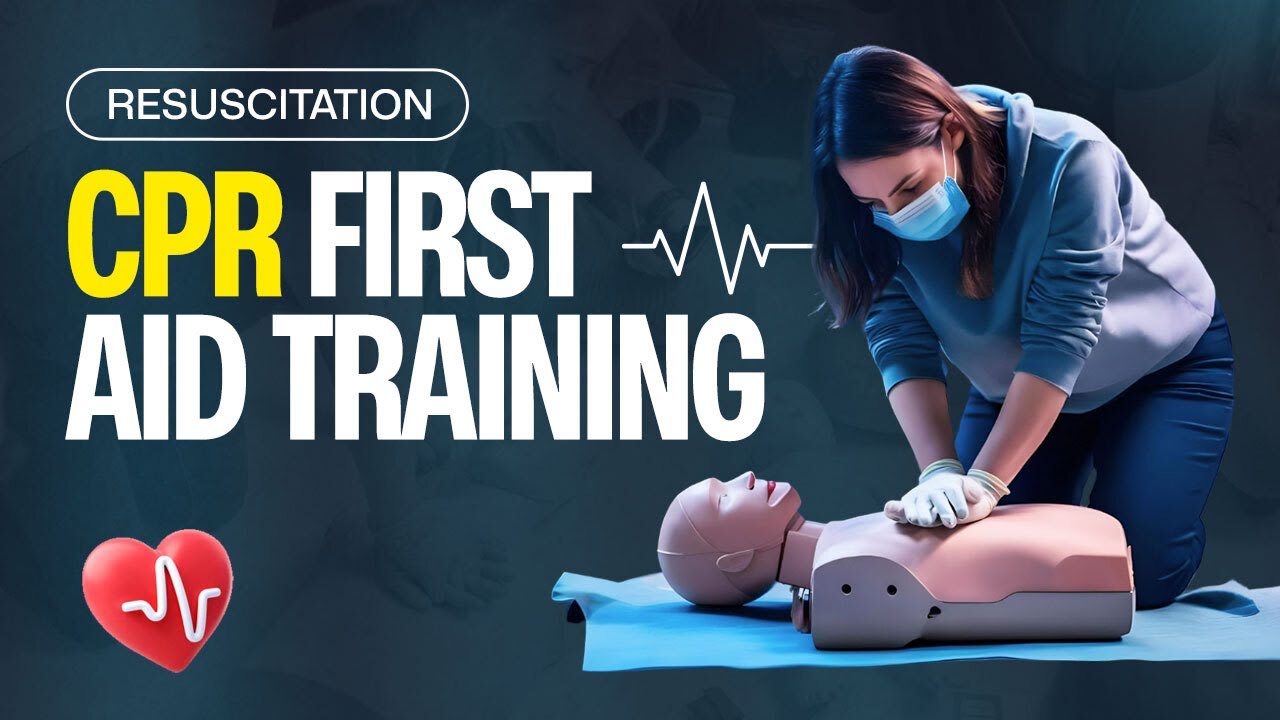
Practical Training Procedure: Hands-on exercise with mannequins improves skill retention contrasted to academic learning alone.
Certification Upon Conclusion: Programs ought to use acknowledged certifications like HLTAID011 Offer First Aid or HLTAID009 Provide Cardiopulmonary Resuscitation upon successful completion.
Refresher Options Available: Normal updates on strategies via refresher courses guarantee your skills remain pertinent with time-- besides-- for how long does a first aid certificate last? Usually 3 years!
Mental Wellness First Aid
Understanding Mental Health First Aid
Emergencies aren't simply physical; psychological situations can develop as well! Psychological health and wellness first aid involves assisting someone experiencing mental health issues or dilemmas until specialist assistance arrives.

Why Mental Health Matters?
Mental wellness problems can show up unexpectedly due to stress factors such as work loss or bereavement leading individuals right into situation settings requiring urgent cpr training ballarat assistance comparable to any type of physical ailment!
Key Parts of Mental Wellness First Aid
Recognize Indication: Discover common indicators like withdrawal from social interactions or drastic behavior changes suggesting distress levels needing intervention urgently!
Engage in Active Listening & & Helpful Discussions: Supplying empathy fosters trust fund permitting open dialogue minimizing sensations connected with isolation during trying times!
3. Give Crisis Resources & & Follow-Up Care Options Post-Crisis Resolution Ensuring people obtain continued support navigating healing pathways!
FAQs
What does CPR stand for?
CPR means Cardiopulmonary Resuscitation-- a lifesaving strategy used in emergencies when someone's heart stops beating.
How long does a first aid certificate last?
Generally speaking, most first aid certifications are valid for 3 years prior to calling for Local CPR training Ballarat renewal via refresher courses!
Can I take on-line courses for first aid training?
Yes! Different platforms use online-first-aid training programs acknowledged nationally that outfit learners with fundamental abilities needed during emergencies!
Is mental health included in routine first-aid training courses?
While some general-first-aid programs touch upon mental health and wellness subjects briefly; think about enrolling specifically into assigned psychological health-first-aid workshops tailored towards recognizing emotional health concerns comprehensively!
Where can I discover "first aid program near me"?
Utilize online search engine inputting key phrases like "first aid program near me" aids determine neighborhood service providers providing classes suited in the direction of your timetable choices easily!
Are there certain certifications required for different workplaces pertaining to first-aid roles?
Yes! Some markets mandate specialized certifications such as office safety policemans requiring added training focused on manual handling methods making sure conformity criteria are fulfilled successfully across organizational environments!
Conclusion
In recap, understanding both CPR methods along with detailed knowledge regarding basic-first-aid approaches forms a vital life-saving ability everybody must possess! No person understands when emergencies may strike-- but being ready encourages people developing safer areas qualified responding without delay efficiently!
Investing time into getting relevant certifications through trustworthy training programs makes it possible for people obtain confidence enabling them handle unforeseen situations calmly effectively! So why wait? Register today-- it can make all distinction tomorrow!